Just 20 speedboat minutes from Malé airport lies a classic: Baros first opened its doors in 1973. It has been rebuilt, remodeled, and modernized again and again, yet never sacrificed to passing trends. We visited the resort in 2013 and again in 2026, swapped stories with witnesses from its earliest years, and took a good look both above and below the water. Here’s our report.
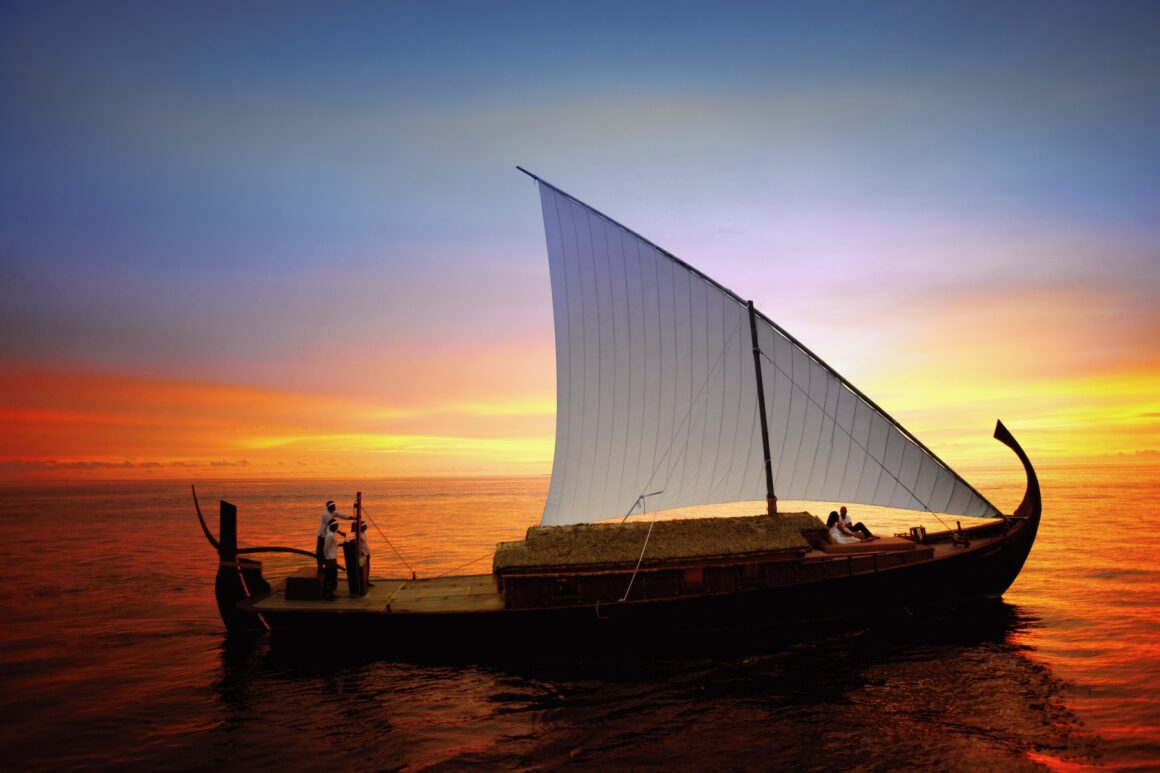
The air is hot and heavy. It slaps newly arrived Europeans in the face like a wet towel. The crossing aboard the sailing dhoni from the airport drags on. But never mind. All around: dark steel-blue over deep water, milky pale blue over the shallows, hard ultramarine over coral banks and reefs in the depths.

The handful of tourists have come for sharks, mantas, and rays. They want to see the giant whale sharks, sea turtles, groupers, triggerfish, batfish, and moray eels up to three meters long.

After an hour and a half, the boat reaches its destination: the coconut-palm-covered island of Kodhdhipparu, later renamed Baros. Full of anticipation, a handful of Italians and Swedes set foot in the white sand on December 3, 1973.
Baros: How It All Began
On the beach stand seven roughly built lodgings made of coral stone. Protection from sun and monsoon rain comes courtesy of breezy palm-thatch roofs. Room and full board cost $12.50 per person per night. Each of the seven buildings on Baros holds four rooms. No fan. No running water. Just a bucket for every room. The metal bed frames come from old cargo ships, the doors salvaged from shipwrecks.
There’s no electricity, no telephone. And none of the men behind the island later rechristened Baros — the Maniku brothers — had „the faintest idea about tourism,“ as one of them, laughing, admits to me during out chat under the palm trees in 2013.

More than a year before Baros, Kurumba and Bandos — including the country’s first dive school — had already opened as the Maldives‘ first hotels. The original name of that island was Vihamanafushi. Too much of a tongue-twister, thought the enterprising brothers, so they christened the isle, with its thirty improvised rooms, „Kurumba“ — which in the local language, Dhivehi, means coconut palm.
„That was it, that had to do. We had nothing,“ says Dr. Ibrahim Umar Maniku, aka „Dr,“ whom I meet on Baros in 2013. He studied in Leipzig from 1962 to 1972, worked as an anesthesiologist in Halle, and after returning to the Maldives in 1982, at Malé Central Hospital, which he helped equip with modern gear through donations.
Guests today still owe Dr. Maniku’s love of Germany the pretzels at the breakfast buffet — and the chilled refreshment towels, scented with genuine 4711 eau de cologne.
This signature scent of Baros, says Shazeel, Executive Assistant Manager and on the island for twenty years now, has followed some guests for twenty years and more. Baros has a famously loyal following: „Nearly 30 percent of our guests are repeat visitors — about thirty couples have already stayed with us thirty times or more.“

Baros: What Are Its Strengths?
Part of that surely comes down to the fact that Baros, while always open to innovation — the island was home to the Maldives‘ first reverse-osmosis freshwater plant — never chases short-lived trends or overwrought luxury flourishes.
Until 2004, Baros was a dedicated dive resort, worlds away from luxury and design. But „Dr.“ Maniku had other plans and reshaped the resort’s DNA. He had the now-iconic Lighthouse and new overwater villas built, and had the beach villas completely rebuilt.

Much has changed on Baros, but the Sails Bar, beneath palms up to 70 years old, remains a rock amid the churn of changing fashions — visibly enlarged, yet still carrying much of its 1980s character, with a touch of colonial chic.
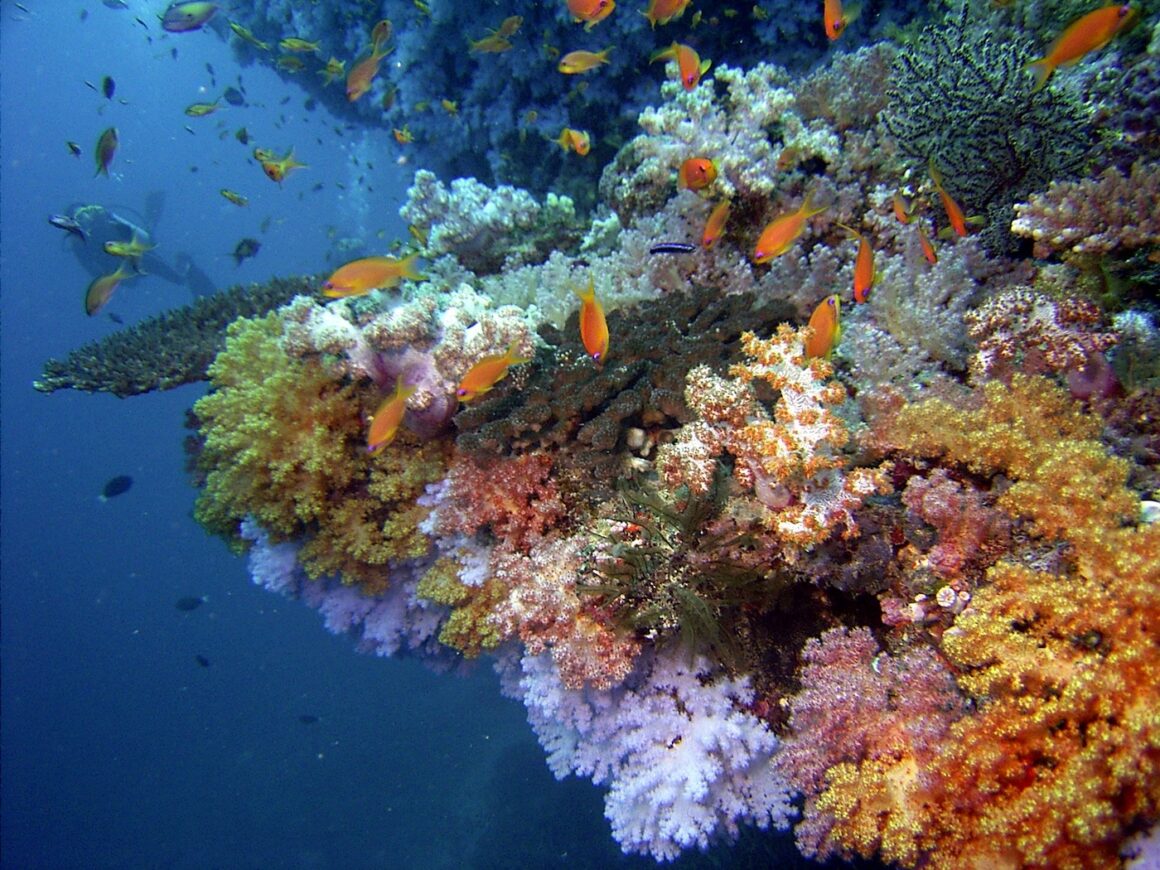
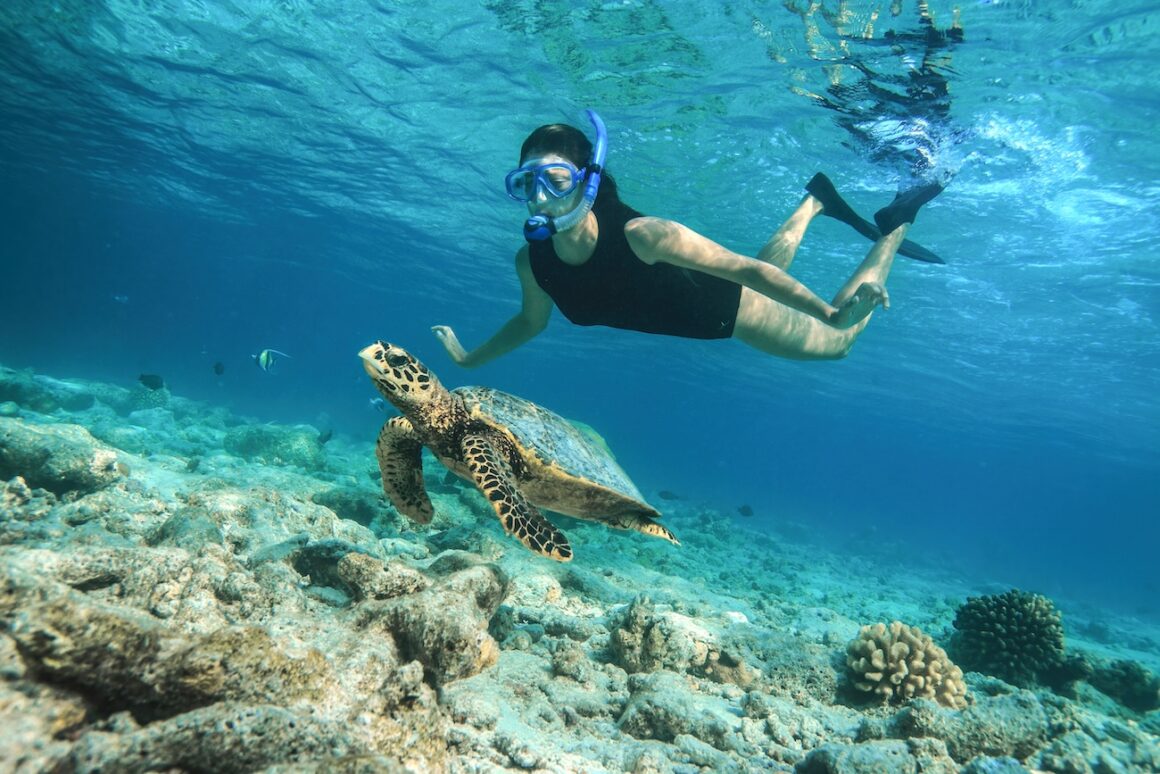
The island’s great asset for decades now has been its unusually species-rich house reef. Just 20 boat minutes from the new Malé airport, snorkelers can spot hawksbill and green sea turtles, sharks, rays, and batfish, along with two wrecks on the seafloor for divers to explore.

Behind the beach, tucked beneath dense foliage and perched on stilts over the water, stand 75 villas — all fully renovated in 2020. Add to that the open-air Lime restaurant, by the water and beside the pool, where the buffet and à la carte breakfasts come with excellent espresso and cappuccino from a proper lever machine.

Nearby, the striking, tent-shaped Lighthouse rises over the water: a terrace for fine dining below, and, one floor up, a bar for lovely sundowner moments. The third restaurant is the Cayenne Grill, where you can watch reef sharks in the water while tucking into a seafood dinner.
Baros: How Do You Get There?
The new airport, built by Saudi Binladen Group, went into operation in mid-2025. A gleaming, thoroughly modern structure meeting every international standard, it’s the largest single investment in Maldivian history at $800 million.
The new airport, with twelve airbridges, six departure gates, and nearly fifty check-in counters, has a staggering capacity of 7.5 million passengers — three times the number of tourists the country recorded in 2025. Of the 2.25 million tourists that year, Chinese (roughly 305,000) and Russian visitors (roughly 255,000) formed the largest groups, followed by Britons (181,000) and Germans (160,000).
On our visit, too, a good two-thirds of guests are Russian. They reach the Maldives visa-free on direct flights from Moscow, or via Istanbul with Turkish Airlines, and can holiday here without any sanctions getting in the way. Breakfast, accordingly, comes with plenty of duck-lipped selfies in progress.

Baros: Behind the Scenes
The tour behind the glossy façade is genuinely fascinating. Tuan, the island’s chief engineer, hails from Sri Lanka but has Malaysian roots. He leads me first into the room housing the three generators, which produce not only power but also murderous heat and an infernal racket. And they’re thirsty beasts: witness the roughly ten-meter-high storage tank holding over 40,000 liters of diesel.
„The next mammoth task ahead of us is becoming less dependent on diesel and generating more and more power through photovoltaics — which is a real challenge on a small island like this,“ says Tuan.
All systems in the mini power plant are built with redundancy; even if one system fails, the plant keeps supplying power to the kitchens, to air conditioning across all 75 villas, and to water and wastewater treatment.
Things get almost eerily quiet, by contrast, in the hall housing the reverse-osmosis plant, where a deceptively unremarkable-looking piece of machinery draws over 100 cubic meters of fresh water a day from the salty groundwater. That’s the equivalent of a pool ten meters long, five meters wide, and two meters deep.
Yet none of that water actually gets drunk. Because the cost of an on-island bottling plant and the necessary hygienic processing and mineralization would be too high, Tuan explains, drinking water instead arrives as bottled mineral water, in reusable glass bottles, from the Malé Aerated Water Company in the capital, also owned by the resort’s owners.
Plastic bottles, fortunately, have long since disappeared from Baros, as from many other resort islands.
On Baros waste is sorted meticulously. Cardboard is compacted, bundled, and shipped off to India. „Plastic waste gets incinerated or exported for recycling,“ Tuan explains. Glass is disposed of separately as well.
Every day, Baros also generates 100 cubic meters of wastewater, which is treated on-site and reused as irrigation water for the island’s lush greenery — sparing the precious freshwater lens beneath the island. Discharging insufficiently treated wastewater into the sea, Tuan notes in the shadow of the 400,000-liter freshwater tank, carries draconian penalties in the Maldives.
Forty-four men and women work under the engineer’s supervision in the large laundry, and as electricians, mechanics, carpenters, and plumbers keep every system, every piece of furniture, and every bit of technology running smoothly.
In total, Baros employs 260 people from nearly twenty nations, who share the island’s tight interior with fuel and goods warehouses, water tanks and treatment plants, a waste-sorting station, a large futsal pitch, a canteen and café, and a gardening operation.
Where to Stay on Baros
The nearly 200-square-meter Baros Suite offers direct beach access, a six-meter pool with whirlpool function, an open-air bathroom beneath the trees with a rainfall shower, a wooden deck with a dining area and loungers, plus a thatched-roof pavilion with a daybed swing. The spacious bedroom holds a king-size bed, a coffee and tea station, and a desk, while the anteroom offers a sofa, reading nook, and a large screen.

The Baros Pool Villas measure 134 square meters and come with a private pool nearly four meters long, a veranda, and beach access with sun loungers.

The 126-square-meter Water Pool Villas sit over the lagoon. From the veranda, with its daybed and 6.6-by-3.6-meter pool, steps lead straight down into the sea and onto the house reef.
Teak floors, high-quality furniture, and fine linens, plus a small library, round out the offering. Throughout their stay, guests on „Baros Maldives“ have a host on call via WhatsApp.
Alongside its 30 percent repeat-guest rate — remarkably high for the industry — Baros’s wall of fame speaks to just how much guests value the quality of service, accommodation, and dining.

Baros was named the world’s No. 2 resort and Asia’s No. 1 resort at the 2026 Travel + Leisure World’s Best Awards; in 2025 it was crowned the Indian Ocean’s Leading Water Villa Resort by the World Travel Awards and received the British Airways Holidays Customer Excellence Award 2025.
Info: Sample price for August and September (i.e., the low season): seven nights per person on half board from €3,850.
Full prices and more details on accommodation categories at baros.com
More Stories and Reviews on trpstr.de
✅ Huvafenfushi, Maldives
✅ Wa Ale, Myanmar
✅ Best Things to Do in Bavaria
✅ Driving in Japan 40 FAQ